
The Rarely-Driven Car Problem
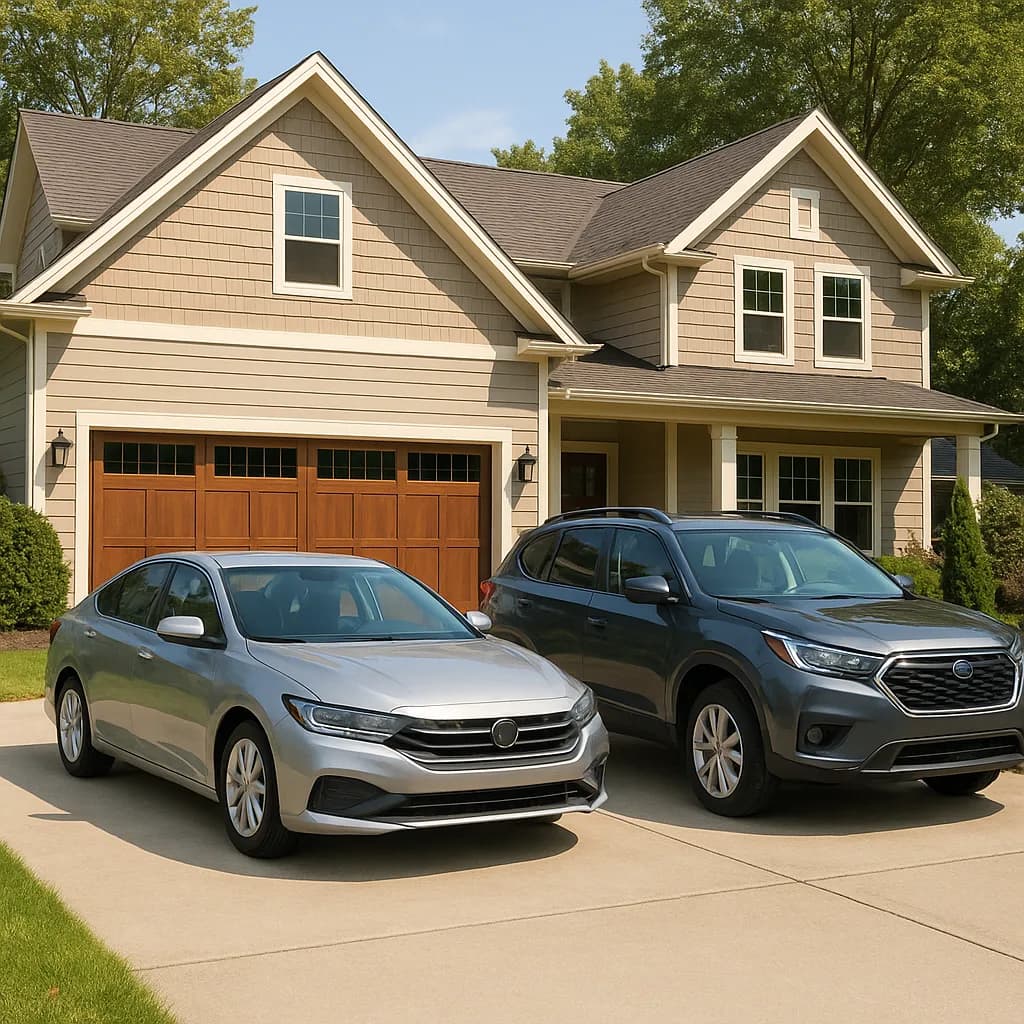
You own two cars. One logs 15,000 miles a year commuting to work. The other sits in the garage six days a week and drives 2,000 miles annually for weekend errands. Your carrier charges you full coverage on both vehicles as if they're driven identically. The premium reflects risk that doesn't exist.
Most carriers rate every vehicle on a multi-car policy using the same mileage assumptions unless you explicitly report otherwise. A car driven 2,000 miles a year presents lower collision and comprehensive risk than one driven 15,000 miles, but the policy won't reflect that difference until you ask for a mileage adjustment. The structural reality: carriers assume daily use for every car unless told otherwise, and most households never report low mileage because they don't know it matters.
Compare car insurance rates in your state
Get quotes from licensed carriers — no obligation, no spam, results in minutes.
Get Your Free QuoteNational Auto Premium Range
A rarely-driven vehicle can qualify for lower premiums when mileage is reported and verified, but most policies default to standard-use assumptions.
NAIC 2023 Auto Insurance Database
What Carriers Actually Rate
Carriers price collision and comprehensive coverage based on exposure: how many miles the car drives, where it's garaged, and who drives it. A car that sits in your driveway 300 days a year has lower collision risk than one that commutes daily. The problem is that most policies rate every vehicle on the same mileage tier unless you report actual use.
When you add a second or third car to your policy, the carrier asks for an estimated annual mileage. Most households estimate high or accept the carrier's default assumption. That default is typically 10,000 to 12,000 miles per year. A car that actually drives 2,000 miles gets rated as if it drives six times that distance.
The multi-car discount reduces your total premium when you insure multiple vehicles on one policy, but it doesn't adjust for mileage differences between cars. You still pay full collision and comprehensive rates on the rarely-driven vehicle unless you request a mileage-based adjustment.
The carrier won't lower your premium for low mileage unless you report it. Most policies default to standard-use assumptions, and that assumption stays in place until you ask for a change.
How to Report Low Mileage

Contact your carrier and request a mileage adjustment for the rarely-driven vehicle. Provide your current odometer reading and an estimate of annual miles driven. Most carriers accept mileage reports by phone or through your online account. Some carriers verify mileage annually by requesting a photo of your odometer or requiring an in-person inspection. If your car drives under 5,000 miles per year, ask whether the carrier offers a low-mileage discount or a pay-per-mile program.
Pay-per-mile programs charge a base rate plus a per-mile rate, typically between 3 and 10 cents per mile. These programs work best for cars driven fewer than 7,000 miles annually. Carriers offering pay-per-mile options include Allstate (Milewise), Nationwide (SmartMiles), and Metromile (now part of Lemonade). Telematics programs track mileage through a plug-in device or smartphone app and adjust your premium at renewal based on verified usage.
Related Articles





Coverage Adjustments for Low-Use Vehicles
A rarely-driven car may not need the same collision and comprehensive coverage as your daily driver. If the vehicle's market value is low and it drives infrequently, dropping collision coverage or raising your deductible to $1,000 reduces your premium without significantly increasing financial risk. Liability coverage remains mandatory in every state, but collision and comprehensive are optional once you own the car outright.
Some households keep full coverage on a rarely-driven car because it's financed or leased. Lenders require collision and comprehensive until the loan is paid off. In that case, request the mileage adjustment and ask whether your carrier offers usage-based pricing. The coverage stays in place, but the premium reflects actual exposure.
If the rarely-driven car is a classic, antique, or collector vehicle, standard auto policies may overcharge for coverage the car doesn't need. Specialty insurers offer agreed-value policies with mileage restrictions, typically capping annual use at 2,500 to 5,000 miles. These policies cost less than standard coverage because they exclude daily-use risk.
SR-22 Writers Nationally
21 carriers
Twenty-one carriers in the national roster write SR-22 policies, but SR-22 filing requirements do not apply to low-mileage or rarely-driven vehicles unless the driver has a specific violation. Most multi-car households structure coverage without filing certificates.
NAIC carrier licensing data
Multi-Car Policy Structure
The multi-car discount applies when you insure two or more vehicles on the same policy. The discount reduces your total premium, but it doesn't automatically adjust for mileage differences between cars. You still pay separate collision and comprehensive premiums for each vehicle unless you report low mileage or adjust coverage.
Some carriers allow you to assign different coverage levels to each car on a multi-car policy. Your daily driver carries full coverage with a $500 deductible. Your rarely-driven car carries liability only, or full coverage with a $1,000 deductible. The multi-car discount applies to the combined premium, and each vehicle's rate reflects its actual use and coverage selection.
What to Do Right Now
Pull your current policy declarations page and check the annual mileage estimate listed for each vehicle. If the rarely-driven car shows 10,000 miles or more and it actually drives fewer than 5,000, contact your carrier and request a mileage adjustment. Provide your current odometer reading and ask whether the carrier offers a low-mileage discount or pay-per-mile program. If your car qualifies, the adjustment takes effect at your next renewal.
Compare your current premium against quotes from carriers that specialize in low-mileage and multi-car policies. Use the comparison tool to see which carriers in your state offer mileage-based pricing and how their multi-car discounts apply when one vehicle drives significantly fewer miles than the others.